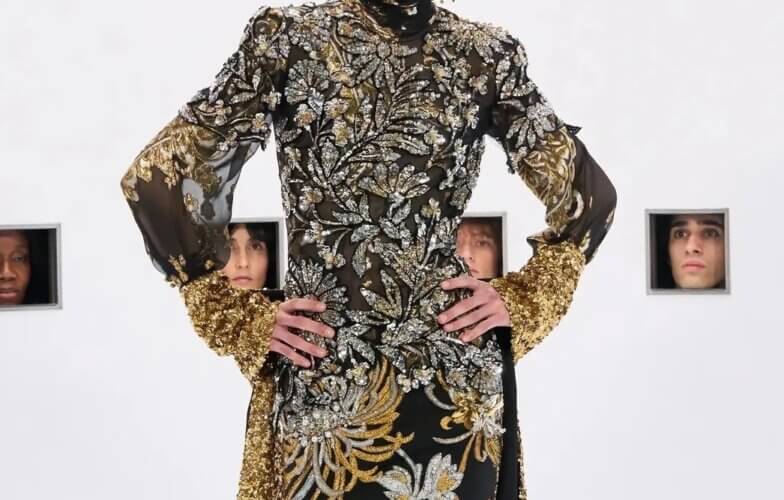

WHY BRANDS SHOULD DRAW INSPIRATION FROM THE ART MARKET
Amid crisis and rising consumer distrust, brands urgently need to reinvent themselves and reaffirm their social and cultural relevance. Our new study, “Art Everywhere,” explores how they can draw inspiration from the codes of the art world to increase desirability and legitimacy.
Here are 4 (of 7) key ingredients for the “artification” of brands.
1) From entertainment to cultural moment
Brands are increasingly seen as part of an exhausting system: pollution, dopamine culture, the race for novelty, constant solicitation. They must now build a form of utility that goes beyond the product itself—symbolic, social, societal, cultural.
How?
• Provide context, narrative, and “behind-the-scenes” insight to deepen intent.
• Multiply content, events, and micro-experiences to fuel conversation.
• Establish simple, ownable visual codes—and let the public play with them.
• Reference the cultural codes of their communities, from mainstream to niche.
2) From product to “collectible”
To justify a high price point, a brand must prove it offers more than an object—it offers a piece that will hold its value, transcend trends, and connect to a narrative.
How?
• Build star products: continued, perfected, reinterpreted.
• Leverage rarity and limited editions.
• Dive into the archives to create meaningful, never-before-seen pieces.
• Offer maintenance, repair, authentication, and traceability services.
• Create genuine masterpieces: showcase items that embody savoir-faire and creative direction.
3) From store to cultural hub
As digital captures most of our attention, time, and leisure, the physical store must become more than a point of sale: a place for rare, shareable, memorable experiences.
How?
The cultural store combines:
• Curation: a wider, smarter selection proving the brand’s ability to identify what resonates with its DNA.
• Event-making: recurring moments that make people want to return and take part.
• Elevation: knowledge, meaning, and experiences worth talking about afterward.
4) From accessibility to exclusivity
Clients—especially affluent ones—no longer want brands that are too showy or experiences that are too accessible. Discretion and exclusivity are returning to the core of brand strategy. When buying becomes a privilege or a game rather than a right, desire skyrockets.
How?
The brand of tomorrow designs an insider’s journey:
• Hidden boutiques, by appointment only.
• Sales models built on scarcity, drops, and local exclusives.
• Sales advisors trained like gallerists, able to articulate the creative process, the intention, the craft.
To access all our insights, analyses, and recommendations: purchase our “Art Everywhere” study. A strategic must-have for any brand looking to shift from product marketing to cultural marketing.