The Growing Fascination with the Male Nude in Art: A Conversation with Florent Barbarossa
As part of our series exploring the evolving landscape of masculinity, we spoke with Florent Barbarossa, an auctioneer and gallerist specializing in representations of the male body in art.
Could you introduce yourself?
My name is Florent Barbarossa, I’m 40 years old, and I’m an auctioneer and gallery owner specializing in the male nude.
Voir cette publication sur Instagram
What inspired you to create the Masculin / Masculin auctions? How did the market respond at the time?
The idea behind the Masculin / Masculin auctions is right there in the title—they’re a direct tribute to Guy Cogeval’s landmark exhibition of the same name at the Musée d’Orsay in 2013. It was a real revelation for me. The subject felt both fascinating and largely unexplored, so I decided to create an auction entirely dedicated to it.
The market responded enthusiastically. The very first sale set a record with Alfred Boucher’s bronze Au But, which sold for €31,000. The art world itself, however, reacted less favorably, often equating the male nude with pornography.
What makes representations of the male body unique in the history of art?
The male body occupies a unique place in art history because it offers countless avenues for study. Its evolution mirrors the history of artistic techniques—from Ancient Greek marble sculpture and Roman bronze casting to Neoclassical oil paintings and Robert Mapplethorpe’s photography.
It is also a fascinating sociological lens. Through these works, we can trace changing ideals of beauty, evolving notions of desire, and shifting social values. The way the male nude is depicted reveals a great deal about the society in which it was created.
There has, of course, been constant evolution. Both the subject and its representation have changed over the centuries, and that process continues today—particularly in advertising, where these shifts are especially visible. Collectors’ tastes are equally diverse. While preferences certainly vary across generations and cultures, the reality is that there are as many tastes as there are collectors.
How are the tastes of collectors evolving?
It seems to me that unique works—paintings and drawings in particular—are becoming increasingly sought after. After the flood of AI-generated imagery, audiences are rediscovering an appreciation for one-of-a-kind works and traditional artistic techniques.
Scale naturally plays a role, and very large works can often be harder to sell. But ultimately, the single most important factor behind an artwork’s success is the beauty of its subject.
Could you share three recent favorites?
My three latest favorites are:
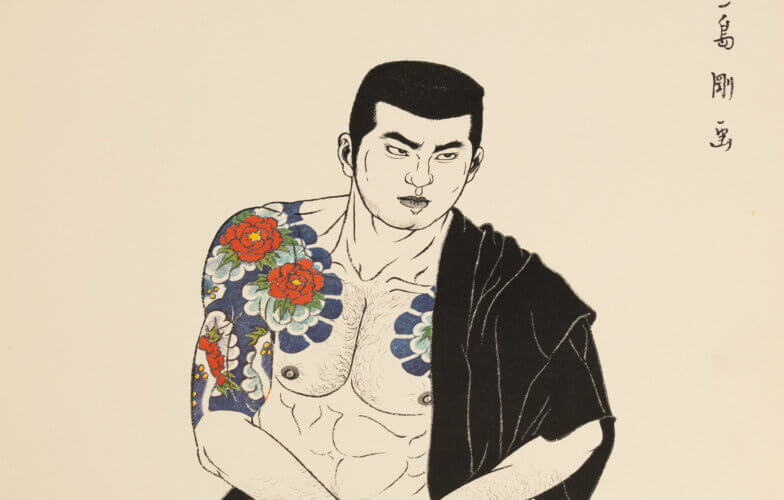
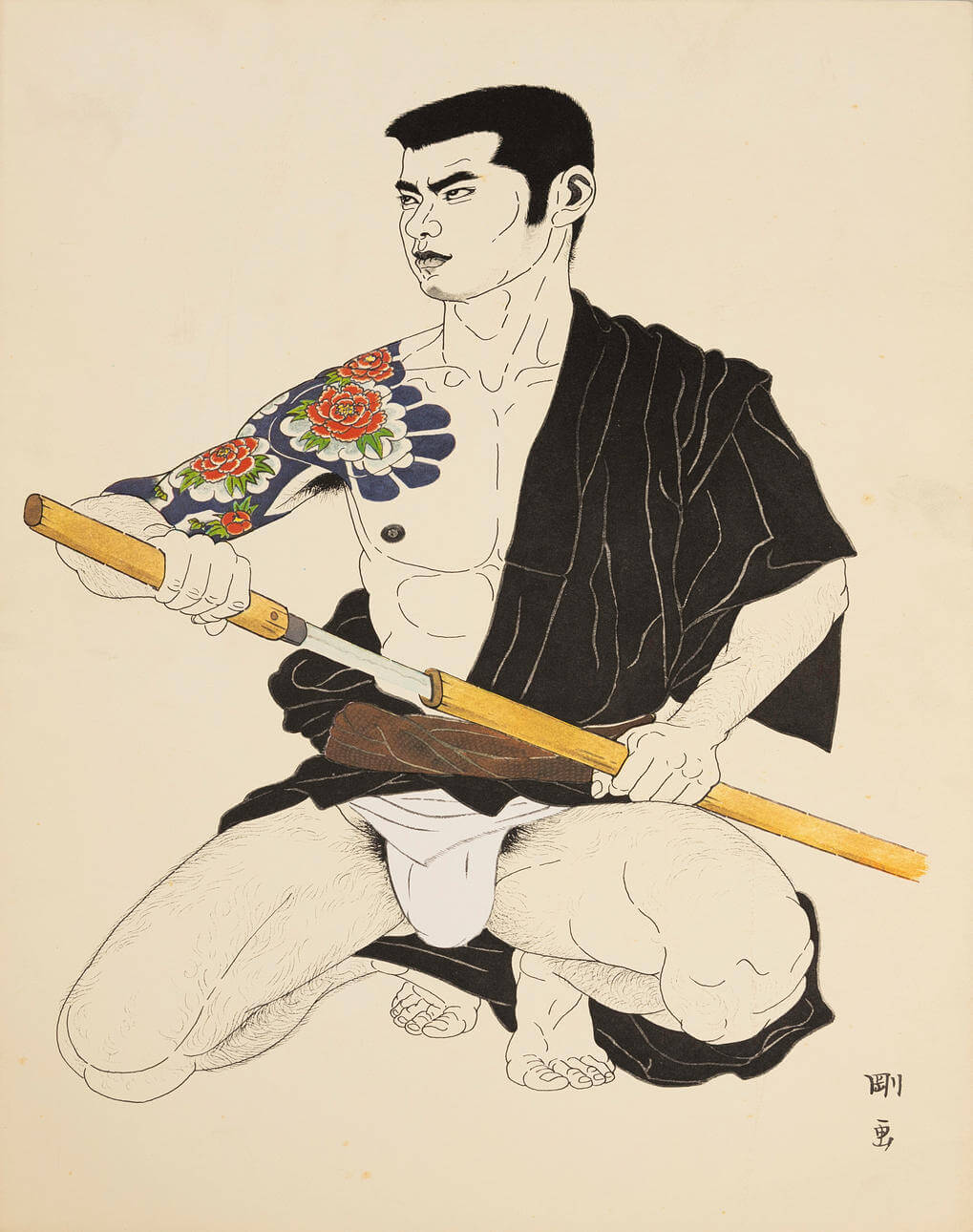
Tsuyoshi Yoshida, better known as Go Mishima, the Japanese artist who passed away in 1988. During my last auction, I had the privilege of selling original works by him after years of only handling lithographs of his watercolors. His work, situated somewhere between Tom of Finland and traditional Japanese woodblock prints, is truly one of a kind.
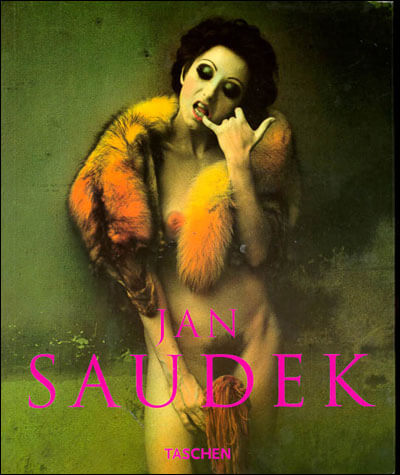
Jan Saudek, the Czech artist whose work I absolutely love. By hand-coloring his own photographs with watercolor, he blurs the boundary between photography and painting while evoking the charm of vintage hand-tinted photographs.
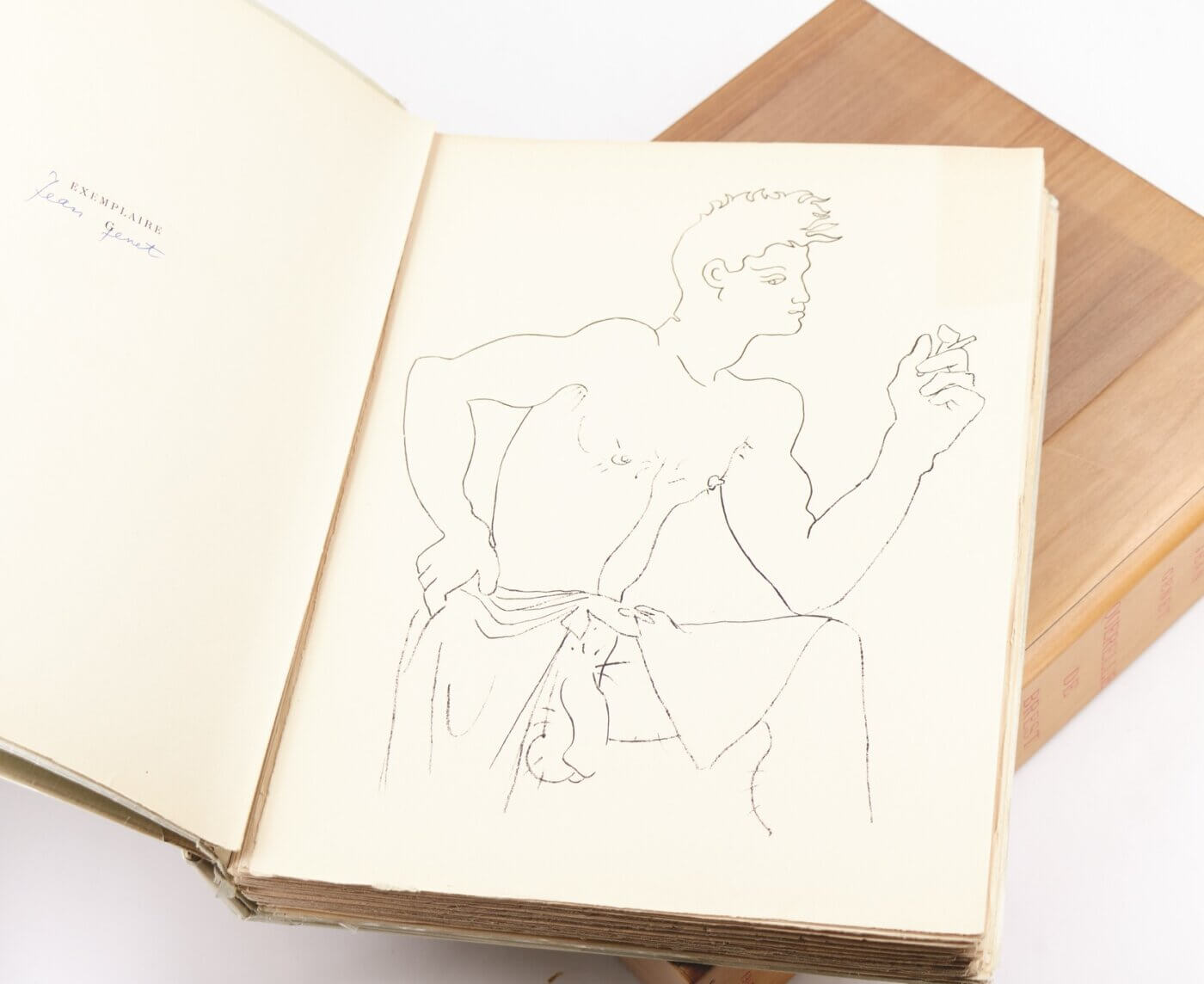
The first edition of Querelle de Brest. Jean Genet’s text paired with Jean Cocteau’s lithographs is simply extraordinary. It captures an entire era and a fantasy that continues to fascinate today.